
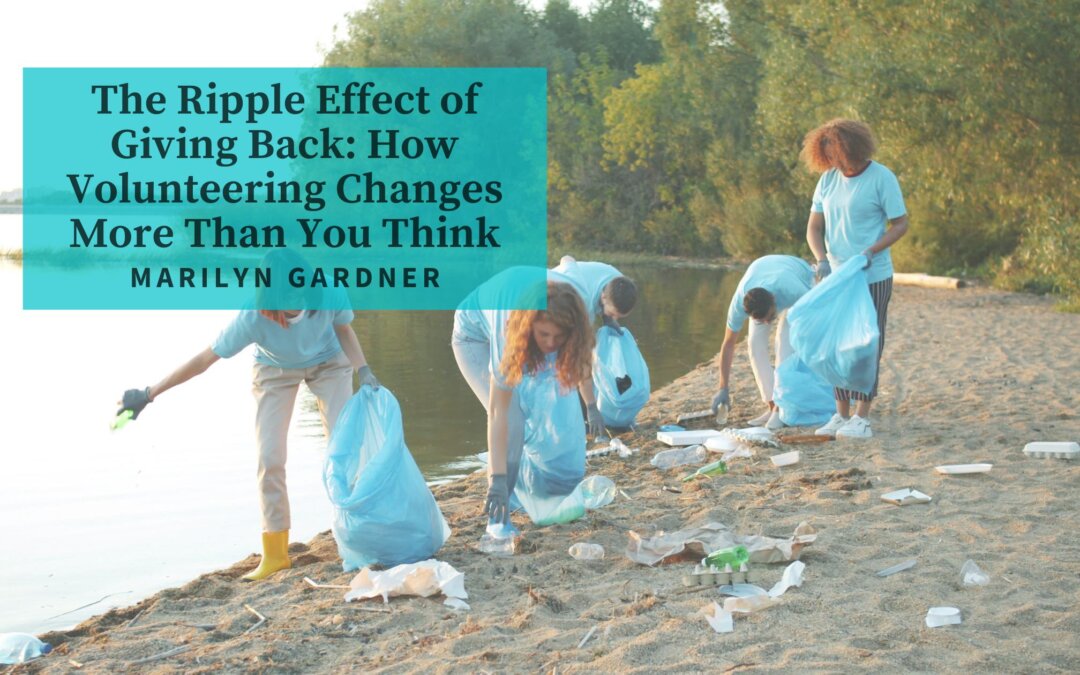
When people think about volunteering, they often focus on the immediate impact—serving meals at a shelter, mentoring a student, helping at a community event, or supporting a local nonprofit. While these efforts undoubtedly make a difference, the true power of volunteering extends far beyond a single act of service.
Volunteering creates a ripple effect that benefits individuals, organizations, and entire communities. It is one of the most meaningful ways people can contribute their time, skills, and energy to causes they care about while experiencing personal growth in return.
One of the most rewarding aspects of volunteering is the opportunity to make a tangible difference in someone’s life. Whether helping a family in need, supporting environmental initiatives, or assisting community organizations, volunteers often witness firsthand how their efforts positively affect others. These experiences can provide a deep sense of purpose and fulfillment that is difficult to find elsewhere.
However, volunteering is not just about giving—it is also about learning. Volunteers frequently develop valuable skills that can benefit both their personal and professional lives. Leadership, communication, teamwork, problem-solving, and project management are just a few of the abilities that often emerge through volunteer work. Many professionals have discovered that volunteering provides opportunities to gain experience and build confidence in ways that traditional workplaces may not.
Another important benefit of volunteering is the opportunity to connect with people from diverse backgrounds. Community service often brings together individuals who may not otherwise cross paths. These connections can broaden perspectives, strengthen empathy, and foster a greater understanding of the challenges others face. In a world that can sometimes feel divided, volunteering helps build bridges and create stronger relationships within communities.
Research has also shown that volunteering can have a positive impact on mental health and overall well-being. Helping others often reduces feelings of isolation and increases a sense of belonging. Many volunteers report experiencing greater happiness, reduced stress, and improved emotional resilience. The simple act of contributing to a meaningful cause can provide a powerful boost to one’s sense of purpose.
For young people, volunteering can be especially valuable. It offers opportunities to explore interests, develop professional skills, and gain exposure to different career paths. Community involvement also helps cultivate civic responsibility and encourages future generations to become active participants in creating positive change.
Organizations depend heavily on volunteers to fulfill their missions. Nonprofits, schools, hospitals, community centers, and countless other institutions rely on volunteer support to expand their reach and serve more people. Every hour donated helps these organizations maximize their resources and strengthen the impact of their programs.
Perhaps the most remarkable aspect of volunteering is how one small action can inspire others. Acts of service often encourage friends, family members, and colleagues to get involved as well. What begins as an individual effort can grow into a larger movement of community engagement and support.
Volunteering reminds us that meaningful change does not always require grand gestures. Sometimes, the simple decision to give a few hours of your time can create lasting benefits for others and for yourself.
In the end, volunteering is about more than helping a cause. It is about strengthening communities, building connections, developing new skills, and creating positive change that extends far beyond the initial act of service. The impact may begin with one person, but its effects can be felt for years to come.