
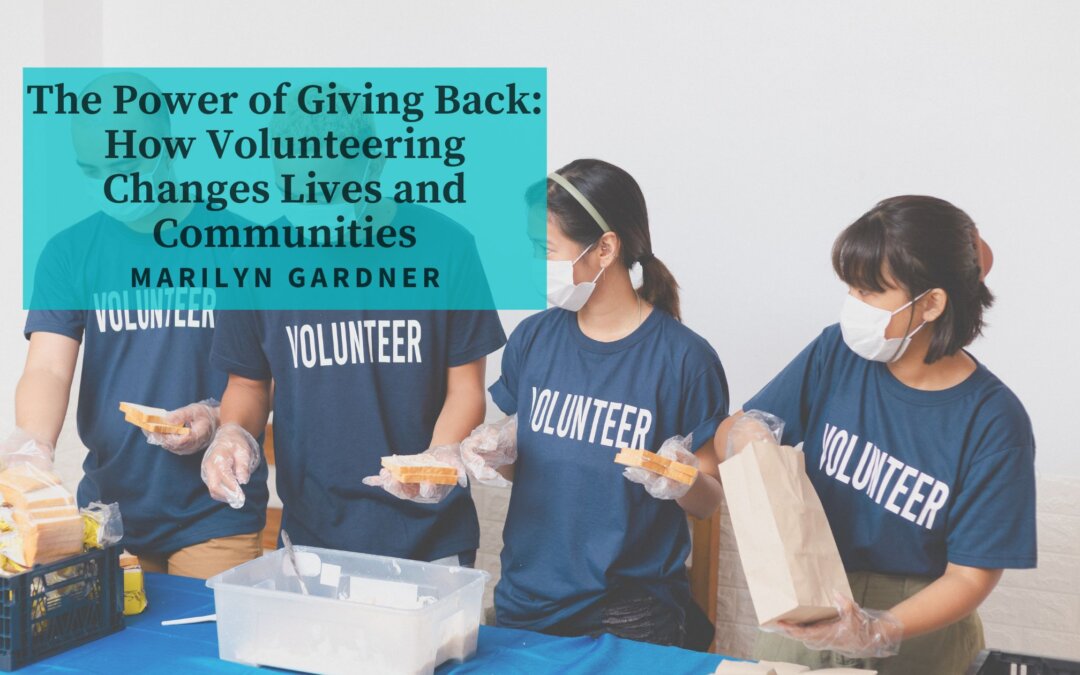
In a world that often moves at a fast and competitive pace, volunteering stands as a reminder of the importance of compassion, connection, and community. Volunteering is more than simply donating time—it is about making a meaningful impact in the lives of others while also experiencing personal growth. Whether helping at a local food bank, mentoring students, supporting animal shelters, or participating in environmental cleanups, volunteers play a critical role in building stronger and more supportive communities.
One of the most powerful aspects of volunteering is its ability to create positive change. Many nonprofit organizations and community programs rely heavily on volunteers to provide essential services. Without volunteers, countless initiatives focused on education, healthcare, homelessness, disaster relief, and social support would struggle to operate effectively. Even small acts of service can make a significant difference in someone’s life. A few hours spent helping others can provide hope, comfort, and opportunities to people facing difficult circumstances.
Volunteering also creates a sense of connection between individuals and communities. In today’s digital world, many people feel isolated despite being constantly connected online. Volunteering allows people to step outside their routines, interact with others face-to-face, and work toward shared goals. These experiences often build friendships, strengthen communities, and create a deeper understanding of social issues affecting society.
One of the biggest misconceptions about volunteering is that only the people receiving help benefit from it. In reality, volunteers themselves often experience personal growth and fulfillment through service. Helping others can improve self-confidence, reduce stress, and create a stronger sense of purpose. Many volunteers describe the experience as emotionally rewarding because it allows them to contribute to something bigger than themselves.
Volunteering can also provide valuable life and career skills. Working with nonprofit organizations or community groups often helps individuals develop communication, teamwork, leadership, and problem-solving abilities. Students and young professionals frequently use volunteering opportunities to gain experience, expand networks, and build resumes. Employers increasingly value volunteer experience because it demonstrates initiative, empathy, and commitment to community involvement.
Another important aspect of volunteering is its impact on younger generations. Encouraging children and teenagers to volunteer helps teach responsibility, kindness, and social awareness from an early age. Young volunteers learn the importance of helping others and become more aware of the challenges different communities face. These experiences often shape future leaders who prioritize empathy and community engagement in both personal and professional life.
Technology has also transformed volunteering in recent years. Virtual volunteering opportunities now allow people to contribute remotely through online mentoring, digital fundraising, content creation, and administrative support. Social media platforms have made it easier for organizations to recruit volunteers, raise awareness, and coordinate community projects. This digital shift has expanded volunteering opportunities to people who may not have been able to participate traditionally.
Environmental volunteering has become particularly important as global concerns about climate change continue to grow. Volunteers participate in tree planting, beach cleanups, wildlife conservation projects, and sustainability initiatives aimed at protecting natural resources for future generations. These efforts demonstrate how collective action can create meaningful environmental impact.
Despite its many benefits, volunteering requires commitment and consistency. True community impact often comes from long-term involvement rather than one-time participation. Organizations depend on reliable volunteers who are passionate about making a difference and willing to contribute their time regularly.
Ultimately, volunteering is about humanity and connection. It reminds people that even in challenging times, kindness and generosity still have the power to change lives. Whether through small acts of service or large community projects, volunteers continue to inspire hope, strengthen communities, and prove that giving back benefits everyone involved.